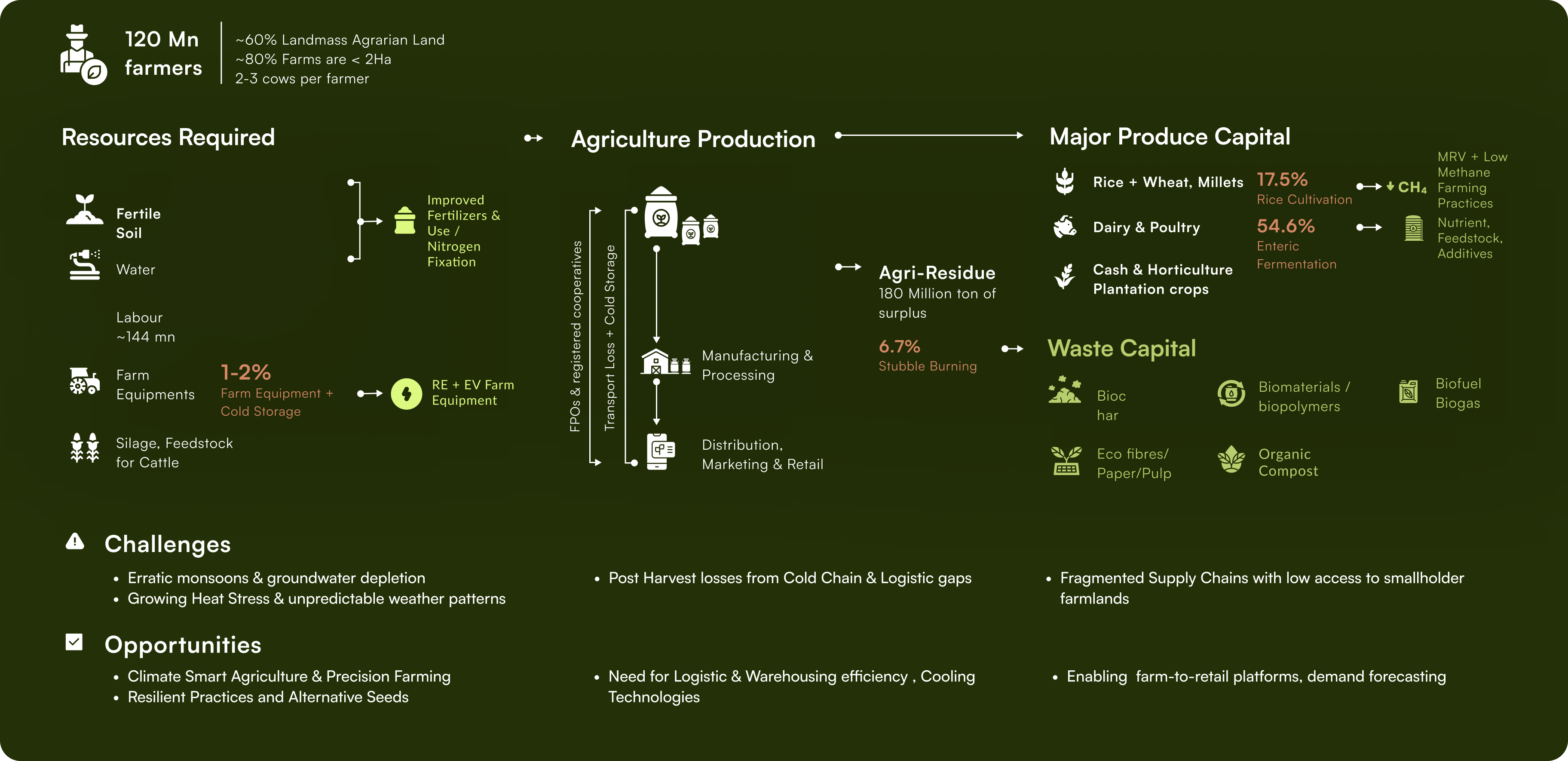
Share of emissions ~ 13-14%
Economic Opportunity
Agriculture & allied sectors contribute ~18% of India's GDP, an approximate $747 Bn, with an 18% of total GVA which is ~$512 Bn. The sector has compounded 40% over the past decade and continues to grow steadily. Globally, India is the fifth largest food processing industry. This positions the sector at a growing market opportunity both nationally and internationally, thus making it imperative for us to build resiliency.
Geopolitical & Climate Risk
India's food and agriculture sector contributes to about 13-14% of the total global GHG emissions. Additionally, more than 85% of farmland is at high-climate risk and about 60% of our farms are rainfed. When yields are threatened, domestic price spikes and exports are curbed - destabilizing even global food prices. India is also heavily import dependent especially for fertilizers, and any geopolitical tensions or imbalance in trade, directly compounds these challenges.
Policy Tailwinds
India's National Mission for Sustainable Agriculture promotes actions like soil health monitoring and water-efficiency practices at farm-level. The Pradhan Mantri Fasal Bima Yojana helps de-risk climate volatility through providing insurance to smallholder farmers, an additional safety net other than the post-disaster relief. On a global front, The India-UK trade agreement has a target of a $100Bn in agri-export by 2030 which will lay further emphasis on traceability, quality and sustainability compliance giving incentives to domestic supply-chains and farming practices to be climate-smart not as a voluntary good-to-have but a trade must-have.
Customers
Policy Makers & Regulators
Initiatives
A single Bad Season of Erratic Rains and/or Extreme Weather Conditions can lead to complete loss of the entire crop cycle - thus increasing the financial burden on farmers and seriously threatening meeting our food requirements.
Fragmented Farmlands and Lack of Access
About 85% of India’s farmlands are small and marginal, less than 2 hectares in size. Less than 1% of the farmland have access to farming equipment, precision farming technology or any climate risk advisory.
Finance Gaps and Subsidy Distortions
Formal credit and climate-finance remain scarce at farm-level. Government Subsidies further lock in the economic capacity for the sector and other stakeholders in it.
RBI has identified climate events as the dominant cause driving up food prices, describing food inflation as becoming "endemic." This signals a shift from agriculture seen as a rural-development priority to a national economic stability concern as well. India's updated NDC targets agriculture as a priority sector for adaptation investment, with focus to push climate-smart agriculture with Government Initiatives like: NMSA, NICRA. 109 new climate-resilient crop varieties have been released, with a mandate to cover 310 vulnerable districts. India's Digital Agriculture Mission targets full digital connectivity of all farmers by 2030 across 400 districts - ensuring better access to India’s fragmented farmlands. These collectively signal shifts on a macro and micro scale pushing for enablement and resilience on all fronts of the agriculture sector.
Find out opportunities with Food & Agriculture sector
Commercially Scaling
Opportunities with solutions reaching commercial parity, need capital to scale.
Applied Innovation
Opportunities with solutions available but need engineering, business model or financial innovation
Fundamental R&D
Opportunities where solutions only exist in labs/pilots, or are yet to be invented
Startup: DeHaat
Stage:Series E
Funding Raised: $222 Mn
Status: Revenue Generating
& Scaling
Innovation: Full-stack
connecting farmers to inputs, advisory and markets.
Startup:Fasal
Stage: Series A
Funding Raised: $19.4
Mn
Status: Revenue Generating
& Scaling
Innovation: IoT hardware &
agriculture automation solutions & precision farming.
Research Lab: ICAR - IARI
(Dr. Gopala Krishnan)
Crop Improvement & Bio fortification:
Rice Genetics, Molecular Breeding, Genomics, Grain
Quality
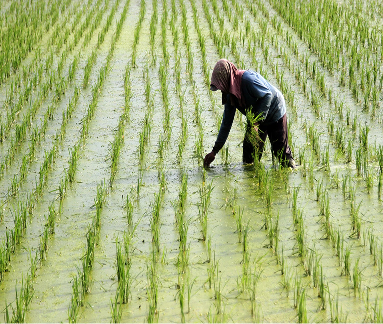
Low Methane Rice Cultivation to replace Traditional Water & Emission Intense Practices
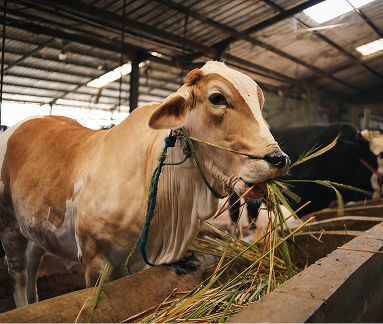
Low productivity and high enteric methane emissions for India’s Dairy Animals
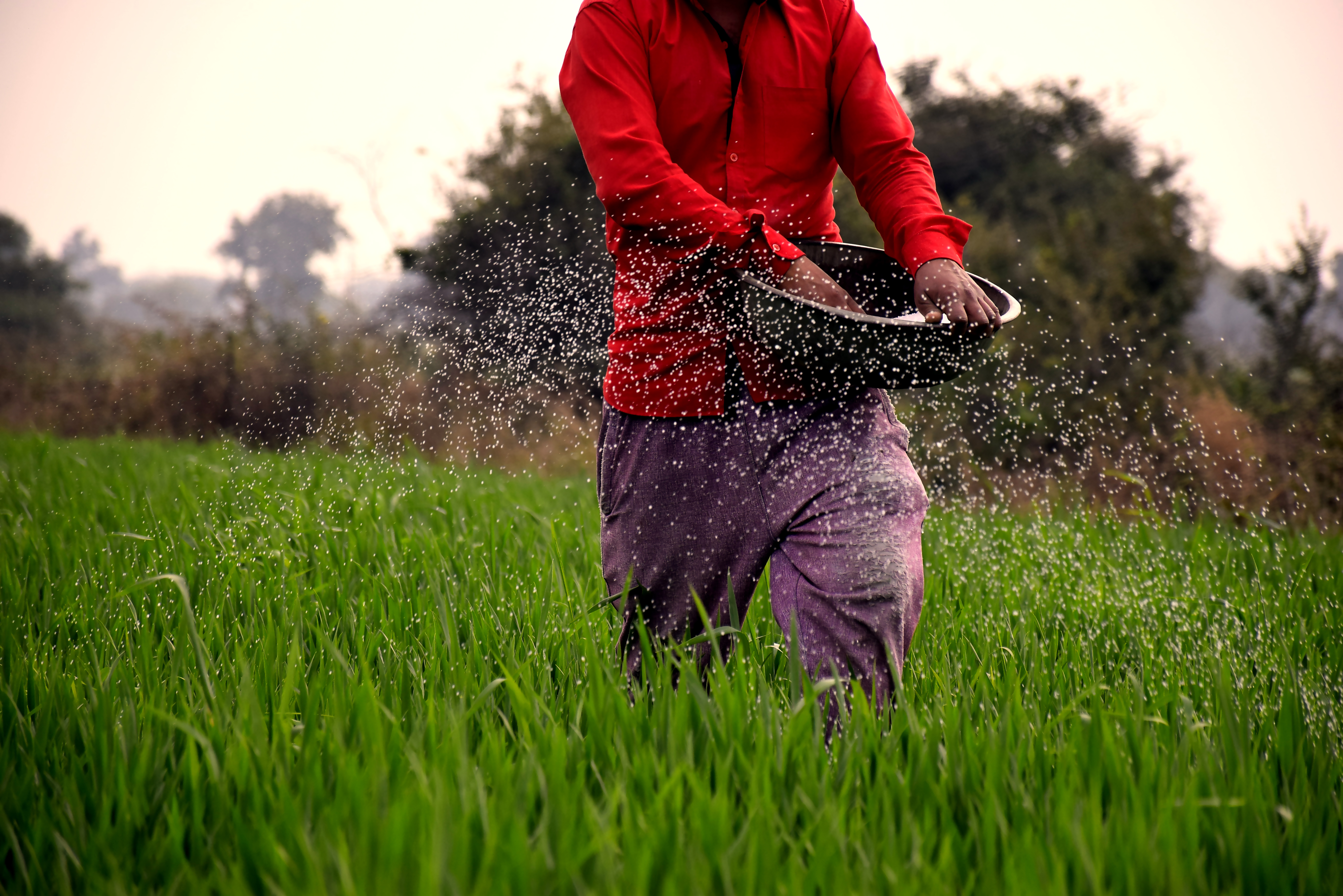
Improving Nitrogen Use Efficiency in Indian Agriculture to reduce fertilizer costs & nitrogen runoff
Coming Soon...
Coming Soon...
Coming Soon...