Industries: Key to Self-Reliance & Net Zero

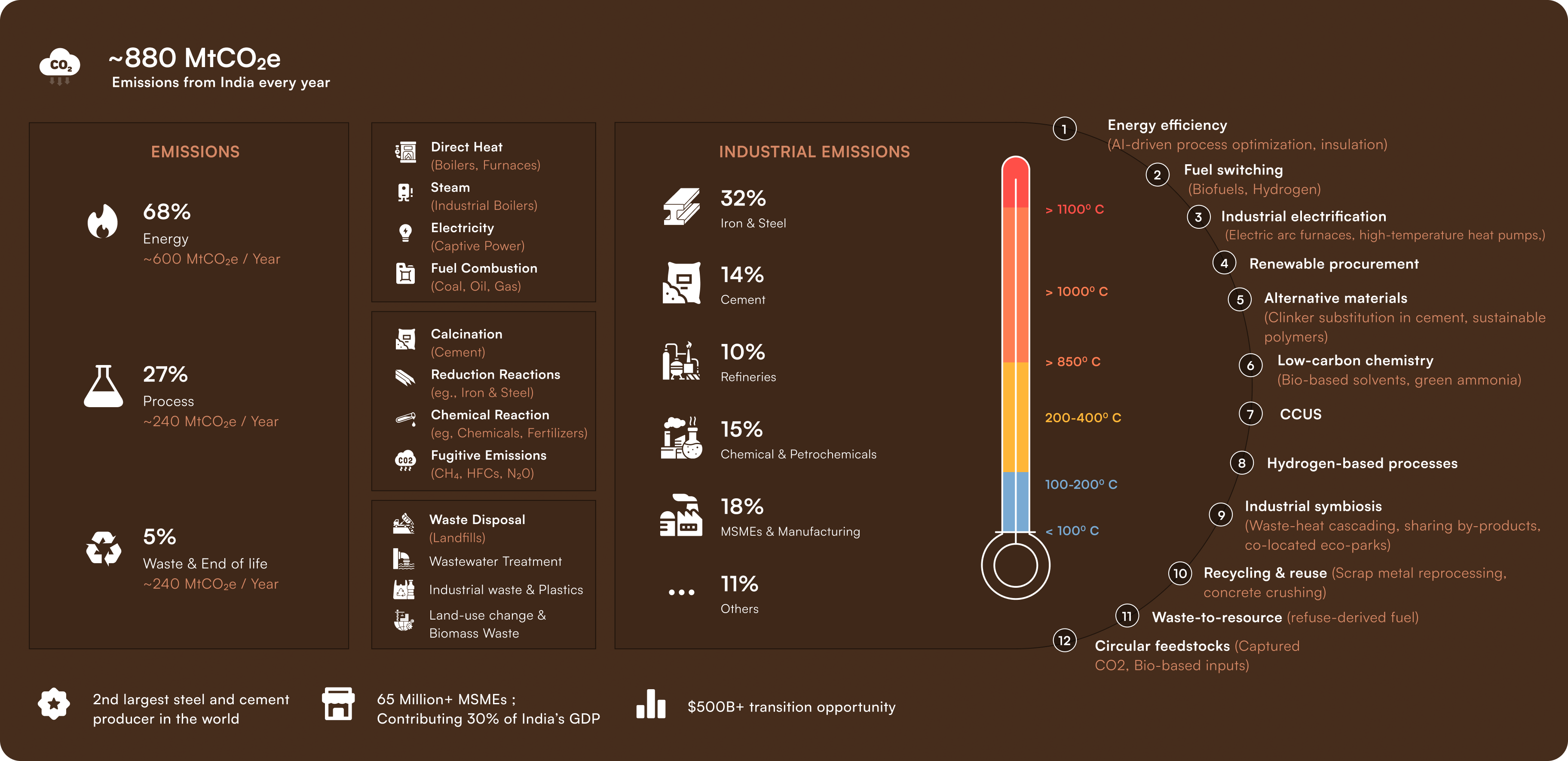
India's industrial sector is one of the largest contributors to economic growth, accounting for ~30% of GDP. It also contributes 30-35% of India's GHG emissions. Heavy industries such as steel, cement, chemicals, refineries, and fertilizers continue to rely heavily on coal and fossil fuel based thermal processes. However, the sector is entering a transition phase driven mainly by export competitiveness pressures, carbon-conscious global supply chains, and increasing renewable energy penetration.
Share of emissions 30%

Why India?

Economic Opportunity

India is the second largest steel and cement producer in the world, with a projected market value exceeding 200 Bn USD by 2030.

Geopolitical & Climate Risk

India's industrial sector is already contributing closer to 2% of the total global GHG emissions today. Indian industry also depends heavily on imported fuels (~40%)

Policy Tailwinds

  • EU's Carbon Border Adjustment Mechanism (CBAM) for export oriented sectors
  • ESG disclosure requirements, and green procurement standards

Stakeholder Ecosystem

Customers

  • Large industrial domestic groups like Tata, JSW, UltraTech, Reliance, Adani, and Mahindra
  • Global corporates with Indian presence for specialty chemicals, pharmaceuticals, textiles, food & beverage
  • More than 70 million MSMEs

Policy Makers & Regulators

  • Ministry of Steel, Ministry of Power, Ministry of Heavy Industries
  • Ministry of Environment Forest & Climate Change
  • Central Pollution Control Board
  • State Governments & Pollution Control Boards
  • Bureau of Energy Efficiency (BEE)

Key Challenges

Decarbonization dual challenge

The balancing act of decarbonization will be maintaining rapid industrial growth while significantly reducing emissions intensity.

Fragmentations

MSMEs remain a large untapped market due to fragmented structures and financing barriers.

Path Ahead

NDC Target for 2035

  • 47% reduction in emissions intensity (vs 2005)

Digital & AI Revolution

Green H2 (5 Mn Mt), RE (500 GW) by 2030 Increasing low-cost RE electricity making electrification the easiest routes for decarbonization, especially for low- and medium-temperature industrial processes. Heavy industries would gradually integrate other transition technologies, though large-scale deployment will take time due to cost and infrastructure constraints.

Find out opportunities with Industries sector

Opportunities Arrow Right

Industries: Solution Landscape

Commercially Scaling

Opportunities with solutions reaching commercial parity, need capital to scale.

  • Industrial electrification (RE, RE plus storage)
  • Industrial energy efficiency retrofits
  • Waste heat recovery and utilization

Applied Innovation

Opportunities with solutions available but need engineering, business model or financial innovation

  • Low-carbon fuels (biofuels, hydrogen, methanol)
  • Digital optimization
  • Thermal storage
  • Circular economy infrastructure
  • High temperature heat pumps (above 175°C)
  • Carbon capture and storage

Fundamental R&D

Opportunities where solutions only exist in labs/pilots, or are yet to be invented

  • Alternative industrial chemistries
  • Low-carbon materials
  • Industrial hydrogen ecosystem
  • High-temp. industrial heat electrification

Innovation Spotlight

Startup: GPS Renewables
Stage:Series C
Funding Raised: 91.7 Mn USD
Status: Growth / Late Stage
Innovation: Full-stack clean fuels - specializing in biogas, bio-CNG, ethanol, and green hydrogen.

Startup: Newtrace
Stage: Pre-Series A
Funding Raised: 12.6Mn USD
Status: Pilot deployment, customer validation
Innovation: Electrolyzer technology for green hydrogen production

Research Lab: IISc - ICER
Green Hydrogen and Industrial Fuels: Prof. S. Dasappa (biomass-to-green H2 process)
Industrial Heat and Thermal Systems: Prof. P. Dutta (Thermal storage)
Advanced Materials: Prof. N. Ravishankar (catalysts, nanomaterial)

Opportunities under Industries Sector

High-temperature heat decarbonization
Industries

High-temperature heat decarbonization

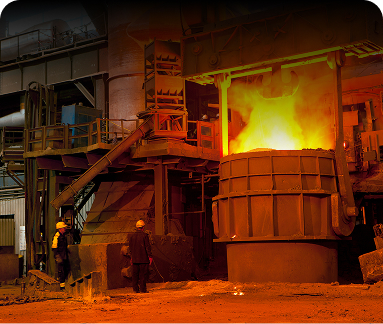
Reducing fossil dependence of high-temperature processes for decarbonizing India’s cement industry

Economic Potential, India 2030 2069 Mn USD
Mitigation Impact, India 2030 120 Mn Mt CO2e
Building India's compressor manufacturing capacity
Industries

Building India's compressor manufacturing capacity

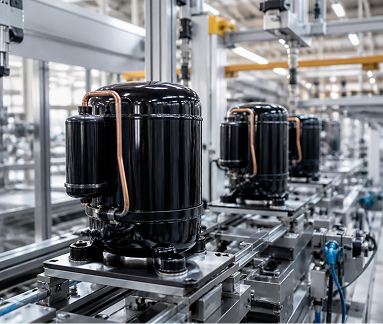
A need for indigenous and scalable manufacturing technology for compressors of Heating, Ventilation, Air Conditioning, and Refrigeration (HVAC-R) systems

Economic Potential, India 2030 6000 Mn USD
Mitigation Impact, India 2030 25 Mn Mt CO2e
Blast furnace gas valorization
Industries

Blast furnace gas valorization

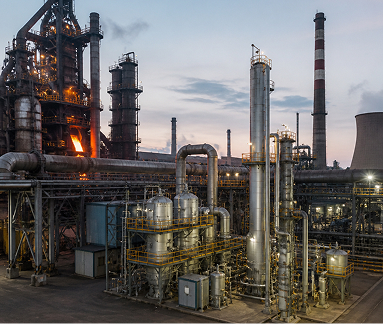
Converting waste heat to value stream by utilizing blast furnace gas for India’s steel sector

Economic Potential, India 2030 ~1,250 Mn USD
Mitigation Impact, India 2030 ~125 Mn Mt CO2e
Industrial heat electrification
Industries

Industrial heat electrification

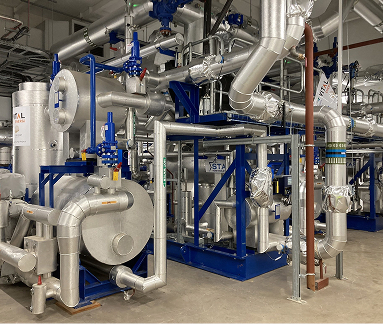
Scalable modular heat pump product pathway for India’s sub-200oC industrial heat

Economic Potential, India 2030 5500 Mn USD
Mitigation Impact, India 2030 400 Mn Mt CO2e